
Cable Glands Explained: Selecting SKINTOP® for IP-Rated Enclosures
Download the
Engineering Spec Pack
Cable Glands Explained: Selecting SKINTOP® for IP-Rated Enclosures
To achieve IP68 protection, select a cable gland with a clamping range that matches your cable’s outer diameter. The gland must fully compress the seal against the cable jacket. SKINTOP® MS-SC-M glands provide IP68 (10 bar, 30 min) with integrated strain relief and EMC shielding continuity, available in metric (M12-M50), PG and NPT thread formats.
Panel builders face a recurring problem: enclosures that fail IP rating tests after installation. The issue is rarely the enclosure itself. Cable entry points create the vulnerability.
A properly selected cable gland maintains IP protection, prevents cable pullout under mechanical stress and ensures long-term seal integrity. LAPP’s SKINTOP® range addresses these requirements across standard industrial, EMC-critical, food processing and high-pressure washdown applications.
What IP rating do you need for your cable gland?
IP ratings define protection against solids and liquids using a two-digit code. The first digit (0-6) indicates solid particle protection. The second digit (0-9) indicates liquid ingress protection.
IP54. Suitable for indoor control cabinets with dust exposure and occasional splashing. Most standard cable glands meet this rating.
IP66. Required for outdoor enclosures exposed to rain, hose-directed water and temporary submersion. The gland seal must maintain compression across temperature cycles.
IP68. Designed for continuous submersion. SKINTOP® MS-SC-M cable glands are tested to 10 bar pressure for 30 minutes. Applications include pump control panels, subsea junction boxes and underground installations.
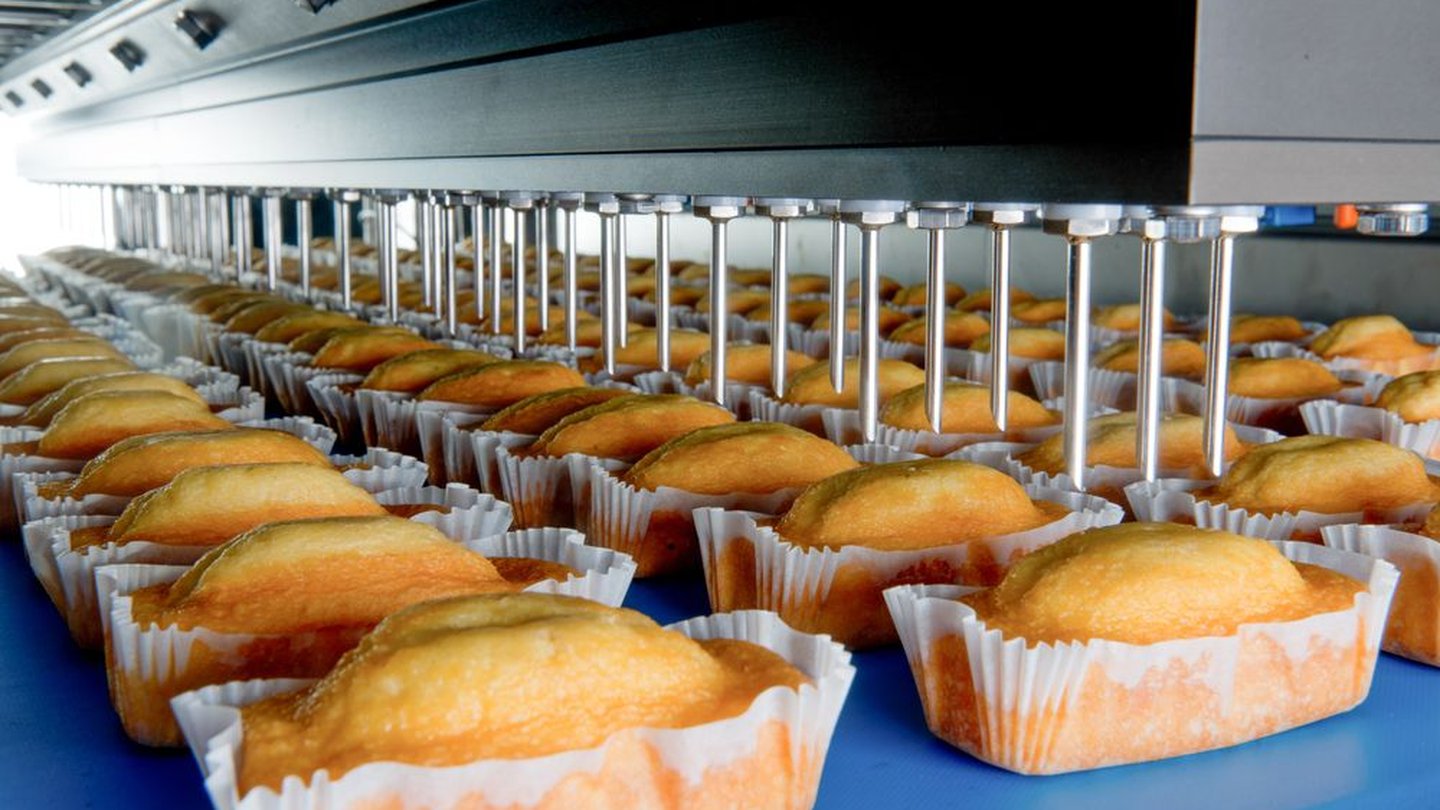
IP69. The highest liquid protection rating. SKINTOP® HYGIENIC variants withstand high-pressure, high-temperature jet cleaning (80°C, 100 bar). Food processing, pharmaceutical manufacturing and dairy equipment require this specification.
The gland’s clamping range must match the cable outer diameter within 0.5mm. Undersizing prevents seal compression. Oversizing allows the cable to slip through the sealing insert. LAPP provides detailed sizing guidance for the SKINTOP® range.
IP ratings apply to the installed assembly: enclosure, cable gland and cable together. A cable with damaged outer sheath will compromise IP protection regardless of gland quality.
How do you choose between plastic, brass and stainless steel glands?
Material selection depends on four factors: environmental exposure, mechanical load, regulatory compliance and budget.
**Polyamide (PA6).** SKINTOP® ST cable glands use halogen-free polyamide with 30% glass fibre reinforcement. This material provides IP68 protection, UV resistance and chemical compatibility with most industrial cleaning agents. Operating temperature range: -40°C to +100°C.
Polyamide glands typically weigh 60-80% less than metal equivalents. Weight-sensitive applications and panels requiring hundreds of glands benefit from the reduction. Cost is typically 40-50% lower than brass.
Limitations: Lower mechanical strength than metal. Not suitable for explosive atmospheres requiring ATEX/IECEx certification. Some solvents and strong acids degrade polyamide over time.
Nickel-plated brass. SKINTOP® MS cable glands use CuZn brass with nickel-plated surface. This combination provides mechanical durability, excellent thread engagement and EMC shielding continuity when properly grounded.
Brass glands are standard for industrial machinery, motor connection boxes and variable frequency drive installations. The material maintains seal compression under vibration better than plastic. Operating temperature range: -40°C to +100°C.
Nickel plating provides corrosion resistance in most industrial environments. Brass is not recommended for marine applications, chemical processing with halogen exposure or installations requiring 316 stainless steel for regulatory reasons.
Stainless steel (AISI 316L). SKINTOP® INOX cable glands provide maximum corrosion resistance. Applications include offshore platforms, chemical plants, wastewater treatment facilities and marine control systems. Operating temperature range: -40°C to +100°C.
316L contains 2-3% molybdenum, which resists chloride-induced corrosion. Coastal environments and installations exposed to de-icing salts benefit most from this grade. Stainless glands cost 2-3 times more than brass but eliminate replacement costs in corrosive environments.
Material selection should align with the cable type. ÖLFLEX® ROBUST cables with TPE outer sheath pair well with polyamide or brass glands. Cables with metallic braiding require brass or stainless glands to maintain EMC continuity.
SKINTOP® range: from standard to EMC to hygienic
LAPP produces over 8,000 SKINTOP® variants. Five product lines address specific application requirements.
SKINTOP® MS-SC-M. The standard metric cable gland for general industrial use. Features include integrated strain relief, IP68 rating and a locking nut that prevents loosening under vibration. Available in M12 to M50 thread sizes. The SC designation indicates the anti-vibration lock mechanism.
SKINTOP® MS-SC-M EMC. Adds 360° EMC shielding continuity for cables with metallic braiding or foil screens. The gland incorporates contact springs that engage the cable shield and connect it to the enclosure ground plane. This construction prevents high-frequency interference from entering or exiting the enclosure.
EMC glands are required in variable frequency drive installations, industrial communication networks and equipment meeting EN 61000-6-2 immunity standards. The shield connection must be made before the cable enters the enclosure interior.
SKINTOP® HYGIENIC. Designed for food processing and pharmaceutical manufacturing. These stainless steel glands feature crevice-free surfaces that prevent bacterial growth. IP69 rating allows high-pressure washdown cleaning. FDA-compliant sealing materials withstand repeated CIP (clean-in-place) and SIP (sterilize-in-place) cycles.
Hygiene regulations (FDA 21 CFR, EU 1935/2004) require stainless steel glands in direct food contact zones. SKINTOP® HYGIENIC meets these requirements while maintaining IP protection.
SKINTOP® CLICK. Tool-free installation can reduce labour time by up to 60% compared to wrench-tightened glands. A snap-lock mechanism provides IP65 protection without requiring a locknut. Applications include lighting fixtures, control panels with frequent cable changes and installations where hand tools are restricted.
The CLICK range does not provide the same pullout force resistance as wrench-tightened glands. Not suitable for cables subject to mechanical tension or drag chain installations.
SKINTOP® DIX. Direct IP68 sealing into plastic enclosures without metal threads. The gland compresses directly into a drilled hole using a snap-fit mechanism. This eliminates thread tapping and reduces installation time. Operating temperature: -40°C to +100°C.
LAPP SEA stocks the most common variants and can source specialised SKINTOP® models from the global LAPP catalog. Browse the complete cable gland range or search by specification in the online catalog.
What cable gland thread type should you use?
Thread type determines mechanical compatibility with the enclosure. Three standards dominate global markets.
Metric (M). The ISO 228-1 standard uses millimeter sizing: M12, M16, M20, M25, M32, M40, M50. Metric threads are standard across Europe, Asia and most industrial equipment manufactured outside North America. SKINTOP® metric glands use a 1.5mm pitch thread for sizes up to M48.
Metric glands require a corresponding metric knockout or threaded hole in the enclosure. Adapters exist but add cost and create additional potential leak points.
PG (Panzergewinde). A German standard for cable entries. PG7, PG9, PG11, PG13.5, PG16, PG21, PG29, PG36, PG42, PG48. PG threads have a different pitch than metric and are not interchangeable. Many older European machines use PG entries.
LAPP produces SKINTOP® variants in both metric and PG formats with identical performance specifications. When replacing cable glands on existing equipment, measure the thread diameter and pitch to confirm the correct standard.
NPT (National Pipe Thread). The American standard uses fractional inch sizing: 1/4″, 3/8″, 1/2″, 3/4″, 1″, 1-1/4″, 1-1/2″, 2″. NPT is a tapered thread that creates a seal through thread interference rather than a separate sealing washer.
Equipment manufactured in North America typically uses NPT entries. SKINTOP® NPT variants include an O-ring seal in addition to the tapered thread to ensure IP68 rating. Standard NPT pipe threads without O-rings do not provide reliable IP protection.
Thread confusion is one of the most common cable gland selection errors. M20 metric has a 20mm nominal diameter, and PG13.5 sits at approximately the same size but uses a different pitch and thread angle. The two are not interchangeable. Forcing a metric gland into a PG hole damages threads and compromises IP rating.
Enclosure manufacturers mark thread type near the knockout. When in doubt, use a thread pitch gauge before ordering glands.
LAPP provides thread adapters (metric to PG, metric to NPT) for retrofit applications. These adapters maintain IP68 rating when properly installed with sealing washers. However, direct thread matching is preferred for new installations.
Talk to our engineers
LAPP SEA maintains technical inventory of SKINTOP® cable glands across all major variants and thread types. Engineers can specify glands based on cable dimensions, enclosure material, IP rating requirements and environmental conditions.
LAPP offers the SKINTOP® online selector tool for technical specification. Input cable diameter, thread type and material preference to generate compatible part numbers.
For project-specific requirements, contact the technical team. LAPP can source specialised SKINTOP® variants including explosion-proof glands (ATEX/IECEx), enlarged sealing range glands for jacketed cables and custom thread configurations.View the complete SKINTOP® cable gland portfolio for global specifications and certifications.