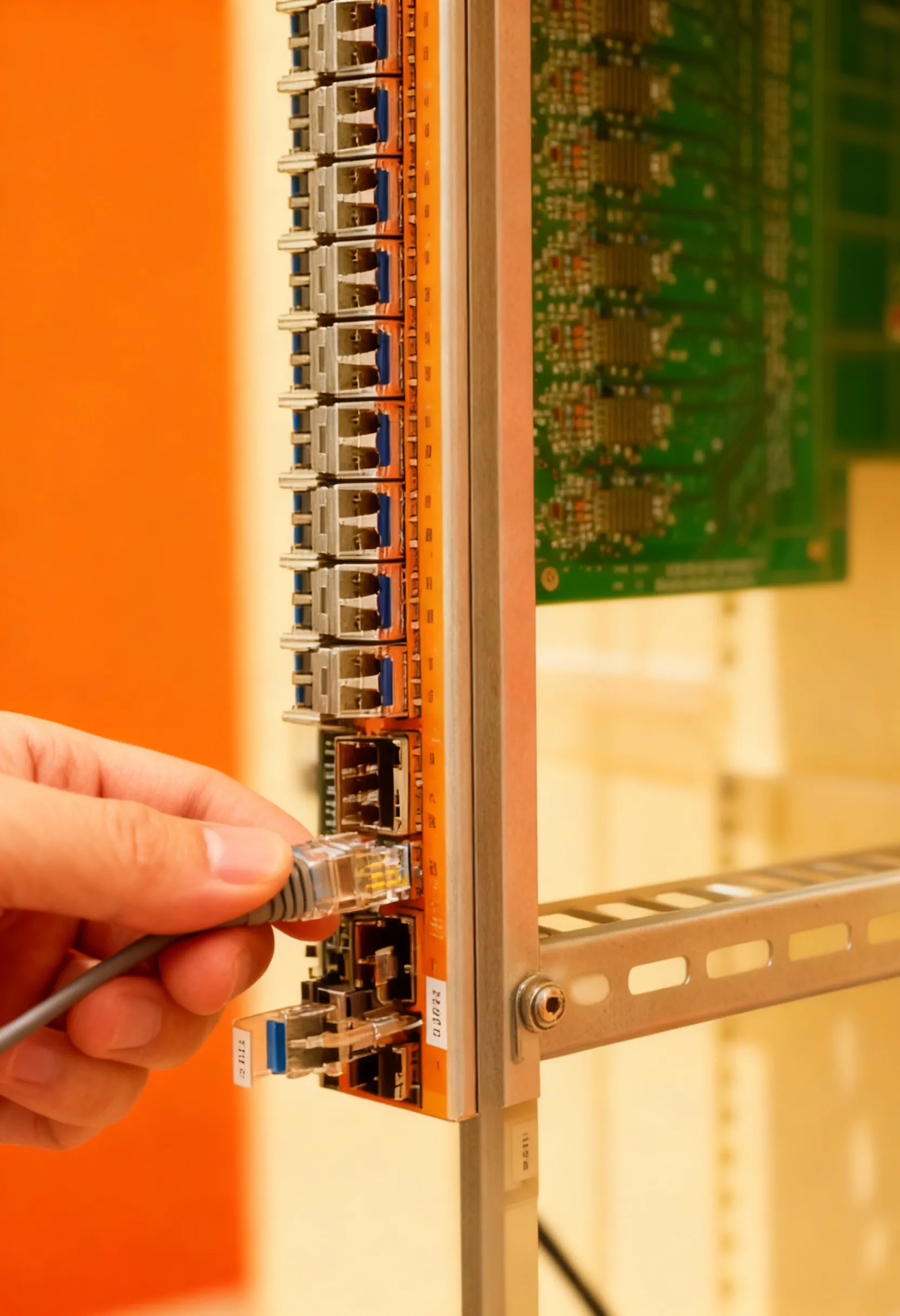
Industrial Network & Distribution Components for Reliable Connectivity
Passive and active network modules designed for sensor/actuator wiring, Fieldbus, and high‑speed industrial Ethernet.
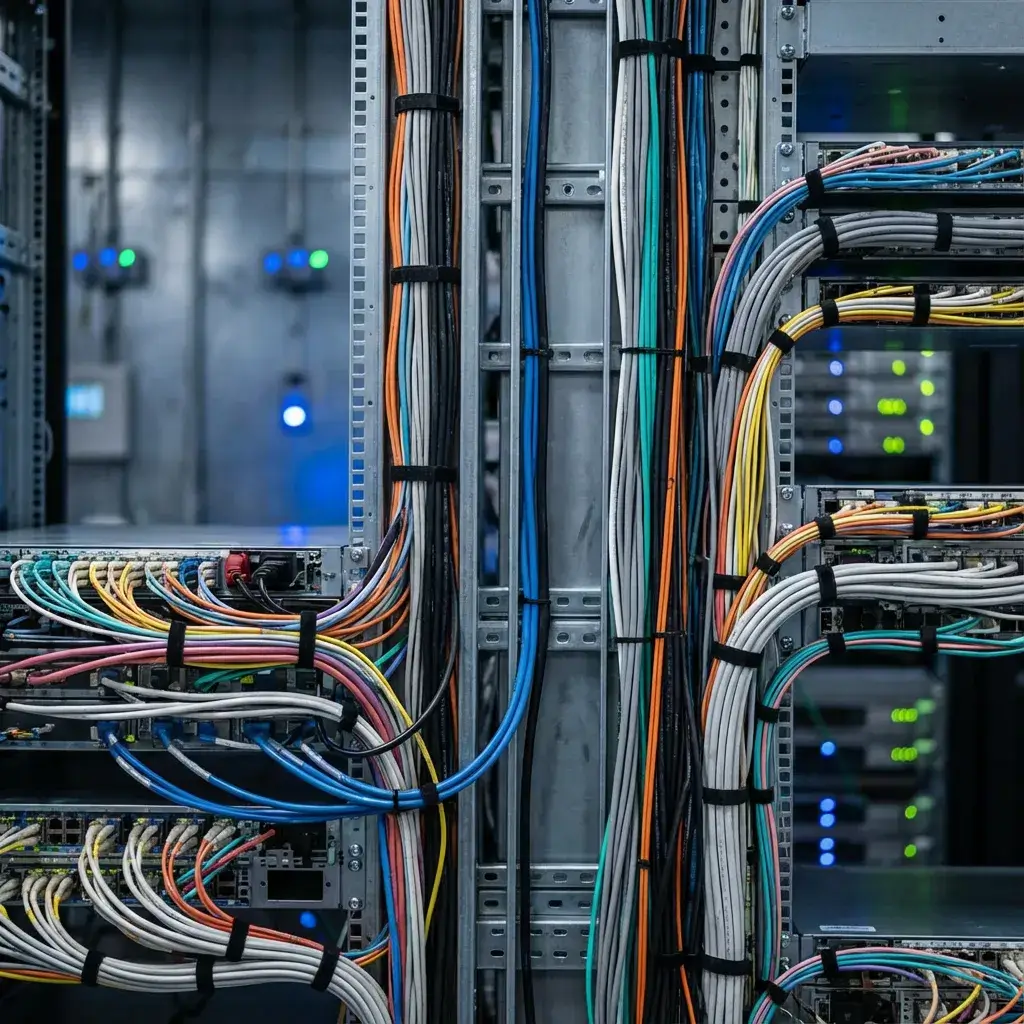
Browse featured cables
Choose your assembly type and application needs to see parts on the eShop with filters applied.

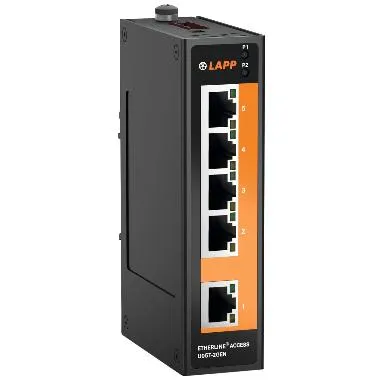
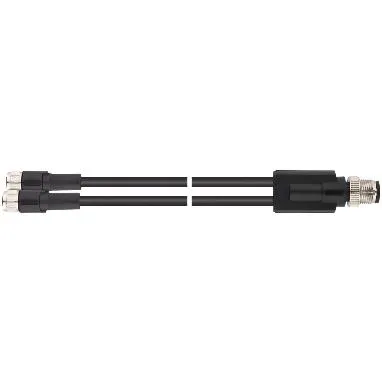
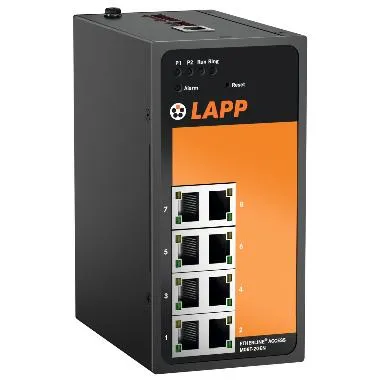

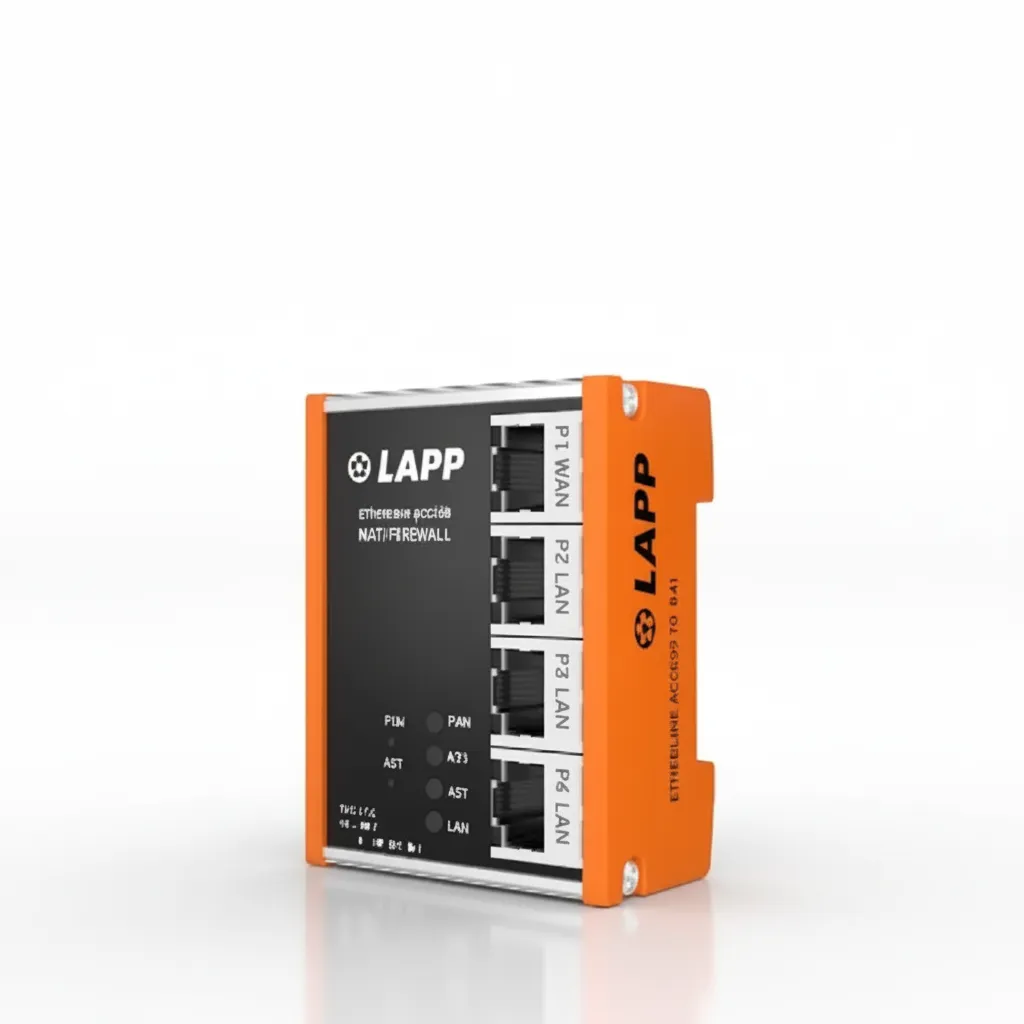
Network & Distribution Components
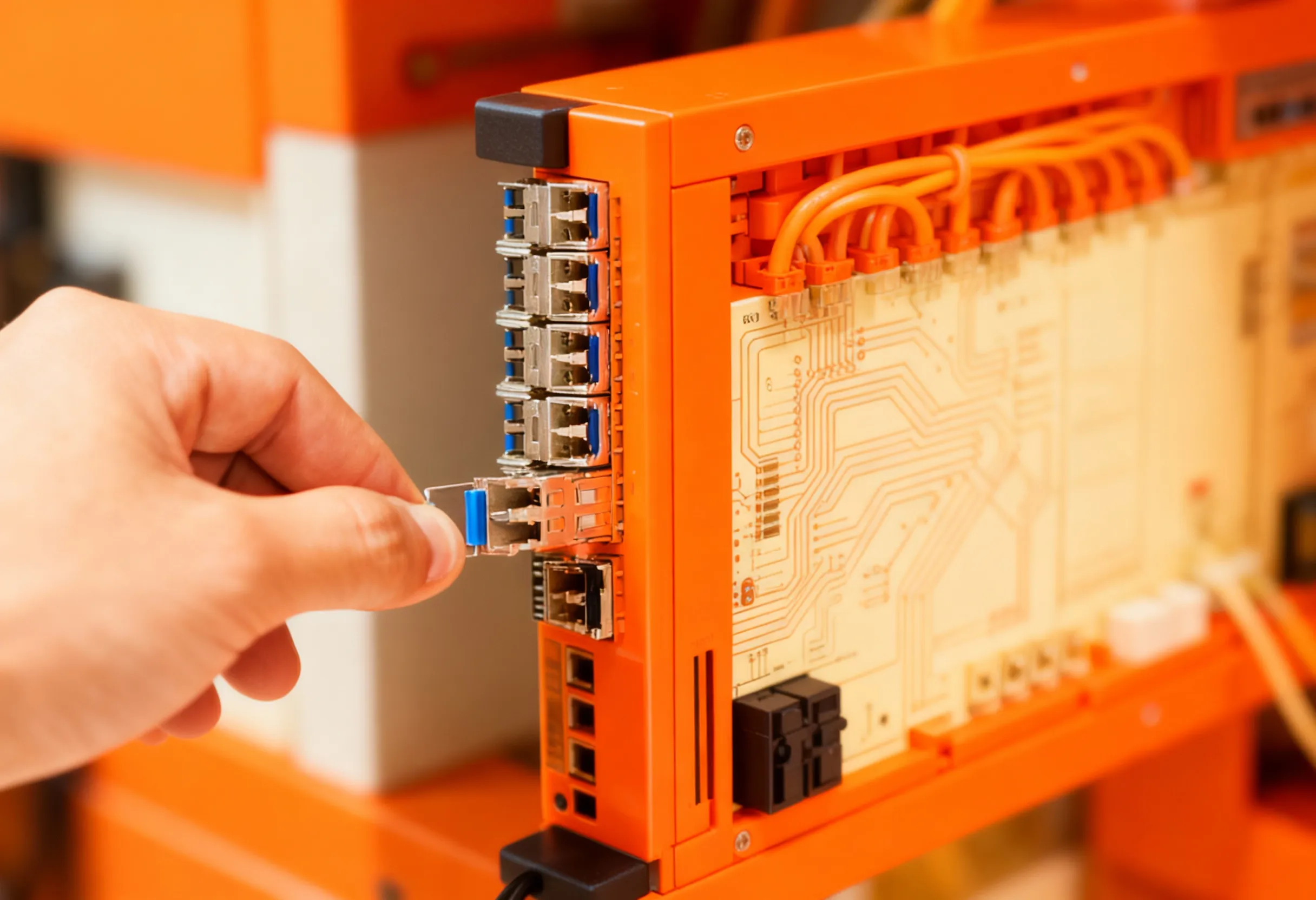
Network & distribution components form the backbone of any industrial communication system. They connect sensors, actuators and controllers, route signals, and maintain reliable data flow even in harsh operating environments. These components make it easy to build structured, stable networks across machines, lines and entire plants.
Discover Our Network Solutions
Our range includes passive distribution modules and rugged industrial Ethernet switches designed for automation, robotics and production systems. They simplify wiring, improve network reliability and support common protocols such as PROFINET, EtherNet/IP and Modbus TCP. Combined with robust connectors and cables, they deliver secure and efficient connectivity for modern industrial operations.
Where network & distribution components are used
01 Factory Automation
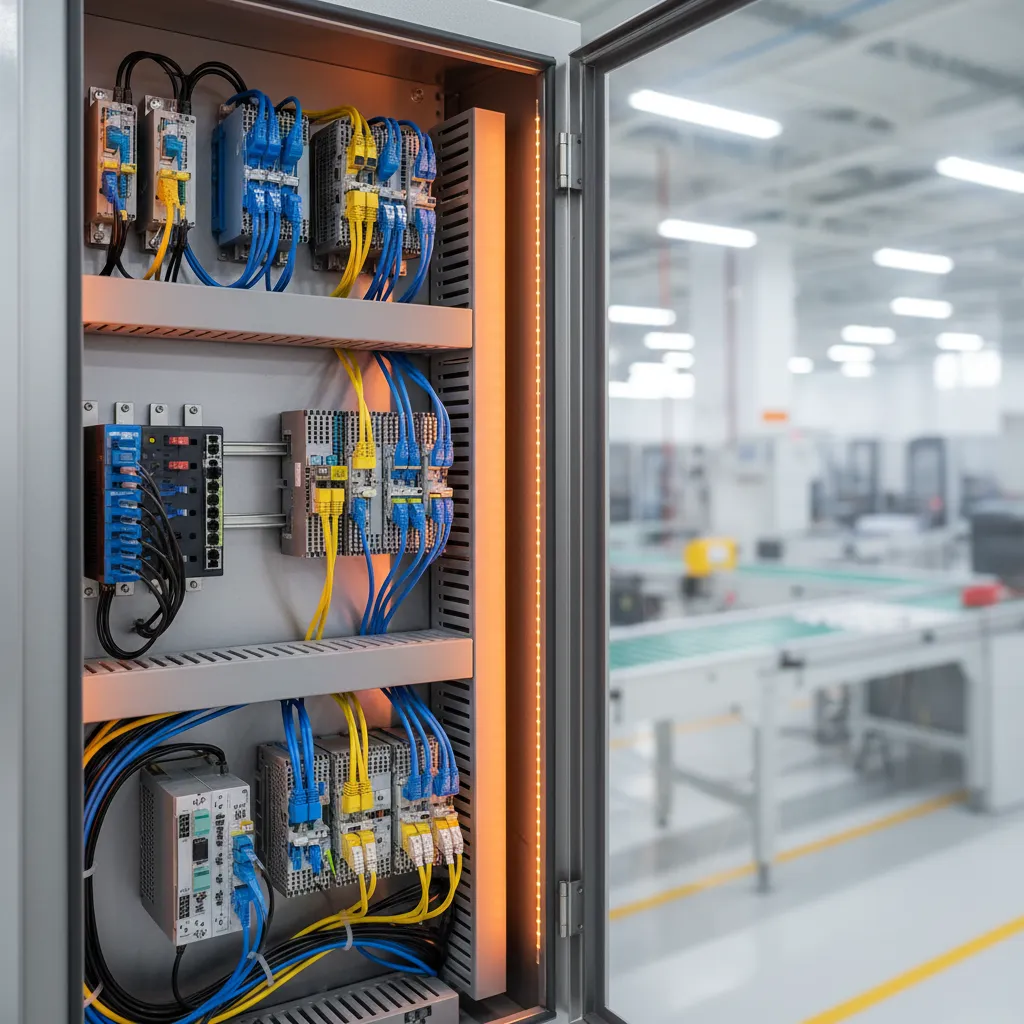
Communication between PLCs, remote I/O, sensors and actuators.
02 Machine & Robotics

Reliable networking for robots, drives, conveyors and motion systems.
03 Data Centers

Stable high bandwidth connectivity for servers, storage, switches, and critical IT infrastructure.
Which essential requirements must a network component meet?